Un itinerario da Ciciliano a Poli, sulle tracce di Sant’Eustachio.
Tempo di lettura: 2 min
Tempo di lettura: 2 minuti
Il Sentiero e l’Ara della Croce
Dal piccolo e delizioso paese di Ciciliano, cuore della Valle del Giovenzano, parte un sentiero che conduce a un luogo sacro: il Santuario della Mentorella sui Monti Prenestini.
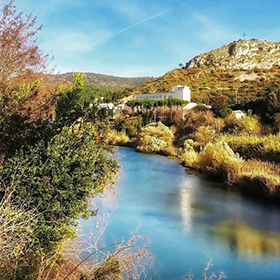
Si tratta di un antico sentiero attraverso boschi di carpino nero, roverella, orniello, acero campestre e montano. Respira il profumo della Natura, che a Primavera si veste dei mille colori dei fiori selvatici. Ascolta il rumore dell’acqua di fonte, dei ruscelli di montagna e delle cascatelle. Si sale e si scorgono vestigia di rocche vinte dal tempo. Il Bosco si fa sempre più fitto tra cerri e faggi. Il sentiero ti conduce in uno spazio aperto con un nome antico: Ara della Croce, un’aia dove si batteva il grano. Sei a circa 900 mt slm e oggi sembra impossibile che questi luoghi fossero coltivati, ma all’epoca ogni brandello di terra era messo a frutto per dar da mangiare alle povere famiglie. Il nome del posto è dovuto alla presenza di una croce di legno, che racconta di un fatto straordinario, scolpito su una tavola lignea del XII secolo, conservata nel Santuario della Mentorella.
La Vulturella, poi Mentorella
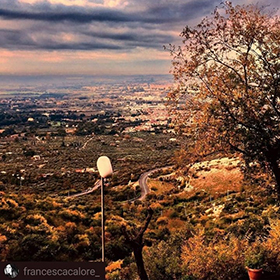
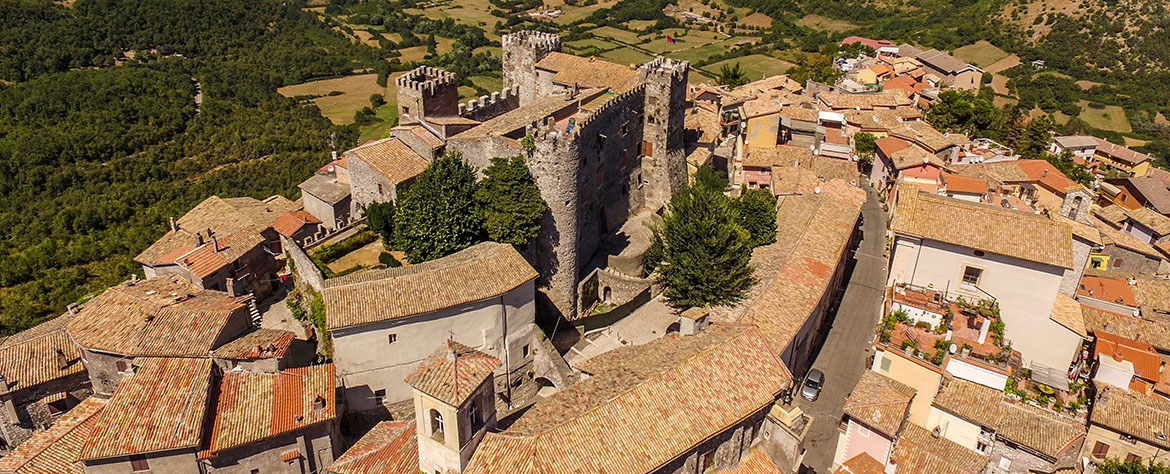
Il termine Mentorella deriva da Volturella (Vulture in latino significa avvoltoio/grifone) ed è il nome della rupe su cui si staglia il Santuario dedicato alla Vergine Maria, dove forse un tempo questi grandi uccelli nidificavano. Visitando il Santuario, luogo di assoluta pace e bellezza, da cui godrai di un panorama mozzafiato, scoprirai quanto fu amato da Papa Giovanni Paolo II!

Il Generale Romano che divenne Santo e il Miracolo del Cervo
Torniamo al fatto che accadde all’Ara della Croce. Si racconta che Placido, generale romano, durante una battuta di caccia ebbe una visione straordinaria! Trovandosi dinanzi al bellissimo cervo che stava cacciando vide, tra le corna del nobile animale, l’immagine di Cristo, che gli chiese: “Placido perché mi perseguiti? Io sono quel Cristo che tu non conosci, ma che onori con le tue opere (…)”. Placido vissuto, secondo la tradizione ai tempi dell’Imperatore Traiano, si sarebbe distinto non solo per le grandi imprese militari in Asia Minore, ma anche per la sua indole misericordiosa e le sue opere di benevolenza verso i più bisognosi. Era dunque un pagano, ma cristiano nei suoi comportamenti, se pur inconsapevolmente. Placido in seguito al miracolo del cervo si convertì al Cristianesimo cambiando il suo nome in EUSTACHIO (che dà buone spighe) e con lui si convertirono moglie e figli.
Storie di famiglie e donazioni
Ma come c’è finito Placido/S. Eustachio a caccia alla Mentorella? Qui la faccenda si fa interessante e assai intricata!!
Secondo la tradizione popolare Placido, proveniente dall’antichissima e nobile famiglia degli Ottavi, era il proprietario di queste terre. Nella sua discendenza compare Tertullo, generoso donatore dei monasteri benedettini di Subiaco e di Cassino. Il figlio di Tertullo, Placido (omonimo!!) sarebbe diventato il primo discepolo di San Benedetto. Imparentata con loro è la famiglia Anicia, che aveva legami con Santa Silvia, madre di San Gregorio Magno a cui si attribuiva l’apocrifo privilegio (oggi la definiremmo una fake new!) che testimoniava la concessione di queste terre, compreso il Monte della Vulturella, all’Abate di Subiaco Onorato, già sul finire del VI secolo. Successivamente la discendenza da Sant’Eustachio fu vantata dalle potenti famiglie del tempo, tra cui i Conti di Poli, di Tuscolo, di Anagni, di Segni, i Pierleoni e i Frangipane.
Antiche credenze, senza alcun fondamento storico, fanno risalire la fondazione del Santuario della Mentorella addirittura a Silvestro I, papa ai tempi di Costantino. E proprio l’atto di fondazione è raccontato sull’altro lato della tavola lignea, custodita nella chiesa della Mentorella.
I Benedettini abbandonarono il Monastero della Vulturella alla fine del XIII secolo, si susseguirono alterne vicende fino al XVII secolo, quando uno dei personaggi più incredibili dell’epoca PADRE ATHANASIUS KIRCHER si innamorò del luogo e decise di occuparsene personalmente. Ma questa è un’altra storia…
I Conti di Poli, Sant’Eustachio e la Festa dell’Ospitalità
Nel XIII secolo i Conti di Poli si impossessarono della zona di Guadagnolo e contribuirono, dati i loro legami familiari, al rafforzamento della leggenda che vedeva in Eustachio un loro nobile avo.
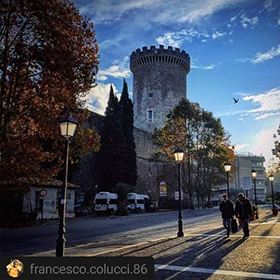
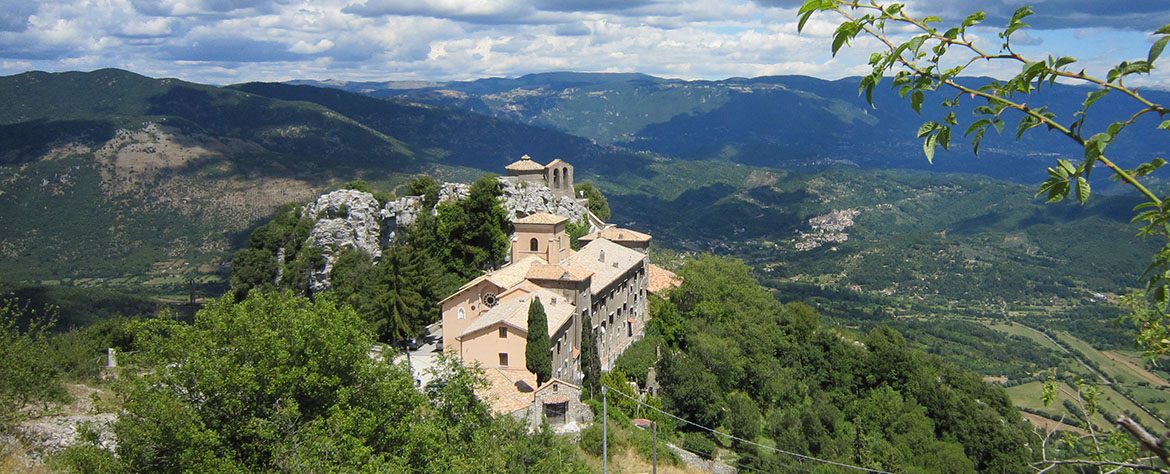
Ancora oggi sant’Eustachio è il Santo Patrono di Poli. Dal 1633 in seguito alla concessione con diploma del Cardinale Aldobrandini, su richiesta del Duca di Poli Lotario II Conti e di suo figlio Torquato, duca di Guadagnolo si istituì la Festa di Sant’Eustachio.
Il 20 Settembre è Sant’Eustachio e la domenica successiva al 20 ha luogo la rappresentazione scenica della conversione di Placido e la processione per le vie di Poli. È un’occasione in più per visitare questo paese, con i suoi bellissimi vicoli. Nel pomeriggio prende vita la Festa dell’Ospitalità che coinvolge tutta la cittadinanza in una gara a offrire i migliori piatti della tradizione a tutti i partecipanti. L’Associazione Culturale “Le Donne del Vicolo” si occupa dell’organizzazione dalla fine degli anni ’90.




#TERREDIOTIUM