Un viaggio nel folklore e nei mestieri antichi
Tempo di lettura: 3 min
I tre musei — Roviano, Riofreddo e Pisoniano — non sono semplici contenitori di oggetti, ma narratori di storie vive. Camminando tra sale, strumenti multimediali, ricostruzioni di botteghe e cortili, si percepisce il respiro dei tempi antichi, si riconoscono i gesti dei contadini, degli artigiani, dei pastori e si riscopre il valore del lavoro manuale come fondamento di una cultura collettiva che ancora oggi si riflette nelle feste, nelle sagre e nei riti popolari delle Terre di Otium.
Museo della Civiltà Contadina — Roviano
La memoria viva del lavoro rurale nella Valle dell’Aniene
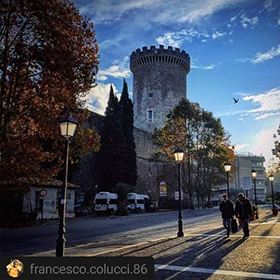
Nel cuore dell’antico borgo di Roviano, il Museo della Civiltà Contadina Valle dell’Aniene custodisce la memoria materiale e immateriale di un’intera comunità rurale che ha modellato secoli di vita quotidiana e tradizioni popolari nella valle. Situato nel suggestivo Castello Brancaccio, la collezione è uno dei primi esempi in Lazio di museo etno antropologico dedicato alla cultura contadina.
Attraverso circa duemila oggetti originali — utensili agricoli, strumenti di pastorizia, attrezzi artigianali, tessuti e utensili domestici — il museo trasporta il visitatore nei ritmi delle stagioni, nella fatica del lavoro nei campi, negli spazi della casa contadina e nei rituali sociali legati al raccolto, alla scuola, alla religiosità popolare.
La narrazione del museo è suddivisa in percorsi tematici: la pastorizia, l’olio e il vino, lo scambio di prodotti, il mondo della scuola e dell’infanzia, la lavorazione della terra e il tessile, fino alla coltivazione e uso della canapa nella vita quotidiana.
Un elemento simbolico che contribuisce al legame tra cultura materiale e folklore è la “pupazza”, fantoccio rituale tradizionale della Valle dell’Aniene che simboleggia la capacità della comunità di affrontare e allontanare le avversità con festa e condivisione.
Visitarlo significa attraversare un archivio di voci, gesti e memorie collettive, in cui gli oggetti raccontano non solo mestieri e produzioni, ma anche usanze, feste popolari e socialità comunitaria.

Museo delle Culture “Villa Garibaldi” — Riofreddo
Un crocevia di culture, mestieri e storie popolari
A Riofreddo, borgo posto al confine tra Lazio e Abruzzo lungo l’antica Via Valeria, il Museo delle Culture “Villa Garibaldi” offre una narrazione complessa e affascinante del territorio, intrecciando storia, tradizione contadina, artigianato locale e folclore.
Ospitato nella storica Villa Garibaldi, edificata nel XIX secolo da Ricciotti Garibaldi, figlio del celebre generale, il museo si articola in sezioni che abbracciano:
• Archeologia: reperti dal periodo preistorico, passando per gli Equi e l’epoca romana.
• Storia medievale e moderna: tracce delle trasformazioni del borgo nel corso dei secoli.
• Demo etnoantropologia: una raccolta di oggetti di uso quotidiano, strumenti di lavoro artigianale e testimonianze della vita contadina.
• Sezione garibaldina: ricordi e cimeli legati alla famiglia Garibaldi, custodi della memoria del Risorgimento.
Tra gli arnesi di lavoro rurale e artigianale, si possono ammirare attrezzi agricoli, utensili da sarto, calzolaio, falegname, addirittura strumenti per la produzione casearia e vitivinicola, che raccontano come mestieri e professioni tradizionali non fossero solo attività produttive, ma nodi di relazioni sociali, saperi condivisi e identità comunitaria.
Il museo dedica anche attenzione alle feste religiose e popolari del borgo, come la celebrazione di San Giorgio, la Sagra della Castagna o le feste della Madonna dei Fiorentini, evocando i momenti collettivi in cui lavoro e ritualità si intrecciavano nel calendario annuale della comunità.
Villa Garibaldi diventa così non solo un luogo di conservazione, ma un palcoscenico delle tradizioni materiali e immateriali del territorio.

Museo della Canapa – Pisoniano
La lunga storia di una pianta e di una civiltà rurale
Nel piccolo borgo di Pisoniano, uno dei musei più particolari delle Terre di Otium è il Museo Civico della Canapa, uno dei pochi musei monotematici in Italia dedicati all’intero ciclo produttivo e culturale della canapa nel contesto della civiltà contadina locale.
Nato dalla passione dei fratelli Settimio e Domenico Bernardini, il museo racconta ogni fase della vita della pianta: dalla preparazione del terreno e semina, fino alla raccolta, macerazione, filatura, tessitura e produzione di manufatti.
All’interno si ammirano strumenti originali, come telai del XVII secolo perfettamente funzionanti, spolette, arcolai da terra, fusi, conocchie e altri arnesi tipici della lavorazione tradizionale.
Ma il museo non racconta solo i processi tecnici: racconta una civiltà del lavoro, basata su ritmi stagionali, cooperazione famigliare e saperi artigiani tramandati di generazione in generazione. La canapa era fibra, tessuto, cordame ma anche elemento centrale della vita domestica, dell’abbigliamento e dell’economia locale fino al Novecento.
Attraverso oggetti, ricostruzioni ambientali e testimonianze orali, il Museo della Canapa è una porta sulla storia sociale delle comunità di Pisoniano e dell’area dell’Aniene, dove natura, lavoro e cultura si intrecciano in un racconto unico.








#TERREDIOTIUM