6 Curiosità su Tivoli, l’Otium e il giardino
Tempo di lettura: 2 min
1. Tivoli, la Beverly Hills di duemila anni fa.
Immagina una città situata su una verdissima collina, attraversata da una Via Consolare che collega il Tirreno all’Adriatico, con un fiume in gran parte navigabile, che ad un certo punto precipita in una cascata spettacolare e poi possenti acquedotti e panorami mozzafiato, terme di “sanctissimae” acque solfuree, cave di travertino e tufo, un maestoso Santuario dedicato a Ercole Vincitore (protettore della città e del business) e tutto questo a due passi da Roma!

Non c’è da stupirsi se i VIP dell’antica Roma fecero a gara per acquistare un terreno dove costruirsi una magnifica villa, meglio ancora se in quel terreno già fosse ubicata una Villa rustica da ampliare e trasformare, dove dedicarsi all’OTIUM, l’ARTE DEL TEMPO LIBERO.. E’ cosi che tra la fine del II secolo aC e il III sec. d.C., l’antica Tibur, la Sabina e in seguito la Valle dell’Aniene, divennero tra i luoghi prediletti di potenti uomini politici, di poeti, di celebri amanti e degli uomini che fecero la Storia: Cesare, Augusto, Nerone, Traiano e Adriano. Se potessi tornare indietro nel tempo, scopriresti che le ville di Jennifer Lopez o degli altri divi d’oltre oceano, sarebbero considerate al massimo delle piccole dependance! Scegli uno o più tour delle ville di otium

2. Guardare dall’alto in basso
Per i romani l’elemento fondamentale per la scelta del luogo dove edificare la villa è la posizione, che deve essere dominante. Scrive Giovenale nella sua XIV Satira: “Cetronio si sentiva un costruttore, e (…) ora sulla rocca di Tivoli, ora sui monti di Preneste, coi marmi della Grecia e di terre lontane, INNALZAVA grandiose ville, che eclissavano i templi di Ercole e della Fortuna”. La vista che si godeva dalla villa doveva trasmettere al proprietario la sensazione di esercitare, sullo spazio sottostante, una sorta di dominio. La vista dall’alto è quella degli dei che guardano con distacco agli affanni degli esseri umani, quello stesso distacco che i proprietari delle ville tiburtine probabilmente provavano godendosi i magnifici panorami verso il resto del mondo.

Un gran numero di Ville di Otium dell’area tiburtina furono edificate lungo l’attuale Via di Pomata, guardando alla campagna romana e a Roma. Se hai tempo e voglia ti consigliamo una passeggiata in questo luogo magnifico. A piedi o affittando una e-bike, organizzati per un bel picnic e fai una sosta al fontanile per un sorso di acqua freschissima! Ti sentirai da dio!!!
3. I Giardini Romani: Angoli di Paradiso e Status Symbol
Sapevi che la parola “paradiso” deriva dal termine persiano “pairidaez”, che vuol dire giardino? Il Giardino è da sempre il LUOGO dove fantasia e realtà giocano tra loro e si riflettono l’una nell’altra. I romani con le conquiste d’oriente e attraverso la mediazione ellenistica, giunsero a una propria concezione di Giardino, che divenne così importante da essere considerato un vero e proprio Status Symbol. Nella Roma Imperiale le aree verdi occupavano circa 450 ettari (1/4 della superficie entro le mura). Il luogo dove l’arte del Giardino raggiungerà il suo apice sarà la Villa dell’Imperatore Adriano a Tivoli!
 E nel XVI secolo, l’architetto Pirro Ligorio con la sua immensa cultura e il suo genio sarà in grado di ricreare il “paradiso/giardino” per il Cardinale Ippolito II d’Este. Visita le ville con le nostre esperte guide locali

4. Ars Topiaria: tra illusione e realtà.
Se ti parliamo di Ars Topiaria probabilmente la prima cosa che ti viene in mente è l’arte di potare siepi dandogli forme particolari e in effetti è così che oggi è interpretata. Ma per i “Romani antichi” era molto, ma molto di più! L’Ars Topiaria era l’arte di riprodurre in un giardino paesaggi analoghi a quelli della pittura, un modo per restituire la visione “idilliaca” della campagna, così come la percepivano poeti e pittori. Una natura permeata dalla presenza del divino. A rendere possibile tutto ciò erano i topiarii, le mitologiche creature metà giardiniere e metà architetto del paesaggio!

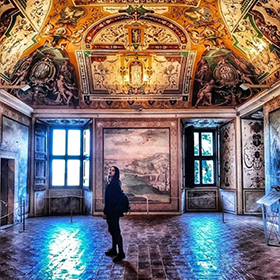
I topiarii romani erano in grado di creare vere e proprie scenografie, luoghi (topia) evocanti il mito: ninfei, grotte artificiali, specchi d’acqua, fontane, facevano da sfondo a statue isolate o a gruppi scultorei sapientemente disposti, il tutto incorniciato da una studiata vegetazione, nulla era lasciato al caso. Le pareti interne della Villa erano dipinte con scene di paesaggio e di giardino, dove si raccontavano i miti, quasi a duplicare e raddoppiare l’effetto del piacere della vista di tanta bellezza, in un gioco di scambi tra interni ed esterni. Pittori, Poeti e Giardinieri collaboravano creando illusioni, non c’era confine tra Artificio e Realtà.

5. Piante, fiori e alberi del giardino romano.
Immagina di passeggiare in un bellissimo giardino di una villa di otium. Tra i viali bordati di bosso, mirto, rosmarino, piccoli boschetti di alloro, viburno, lentisco e corbezzoli, pergolati di uva e pareti rivestite di edera e pervinca. Nelle aiuole acanto, giacinti, gigli, narcisi, viole, iris, anemoni e tante rose. Arbusti di ginestra, oleandro, tasso e rododendro. E poi alberi per creare ombra, come il Platanus Orientalis importato dalla Grecia e pertanto ritenuto un lusso, diverso da quello che oggi è frequente nei viali delle nostre città, frutto di un’ibridazione con il platano americano avvenuta nel XVIII secolo. E ancora aceri, pini, palme, bagolari, querce, pioppi e cipressi.

Il legno di cipresso era considerato molto pregiato. Plinio il Vecchio racconta di una particolare potatura per utilizzare il cipresso come siepe verde e ritiene che quest’albero fosse originario dell’isola di Creta e poi arrivato in Italia. Ovidio nelle Metamorfosi narra di Ciparisso, giovane cacciatore dell’isola di Ceo, che per errore uccise il suo migliore amico, un cervo. Disperato e inconsolabile, il ragazzo suscitò la pietà di Apollo, che lo trasformò in un albero millenario, il Cipresso, a eterno conforto dei defunti. Come vedi passeggiando nei giardini romani, è molto facile imbattersi nei miti. I cipressi di Villa Adriana e Villa d’Este sono un segno di questo.

6. Gli arredi da giardino della Villa di Adriano
Da poco riaperto al pubblico, il piccolo Antiquarium di Villa Adriana (Mouseia), contiene vere e proprie meraviglie. In particolare colpiscono le steli marmoree finemente scolpite con motivi vegetali e animali, facenti parte dell’arredo originale dei magnifici giardini. Sono questi preziosi elementi di un grande puzzle che restituisce almeno in parte l’aspetto della Villa ai tempi di Adriano. Tra tralci di vite, edere, rami di quercia e di olivo, si scorgono piccoli animali: lucertole, cicale, grilli, chiocciole, scoiattoli e topi. Ogni tanto penzolano dagli alberi strumenti musicali legati al culto di divinità dei boschi, o cesti sapientemente intrecciati, da uno di questi esce una serpe, che poi minaccerà i nidi degli uccellini. Gli uccelli a volte preda e a volte cacciatori, come nel caso del gruccione ghiotto di api.. Del resto la stessa serpe non scappa al rapace! Visita la Villa con le guide locali!





#TERREDIOTIUM